Thinking about a new construction condo steps from Atlantic Avenue, the beach, and Delray’s dining scene? You are not alone. With limited land east of I‑95, most new homes here are boutique, well-finished, and walkable, which can make the search feel exciting and a little complex. In this guide, you will learn what is actually under construction, what finishes and amenities to expect, how HOAs and insurance work, and the key questions to ask before you buy. Let’s dive in.
Why downtown builds are boutique
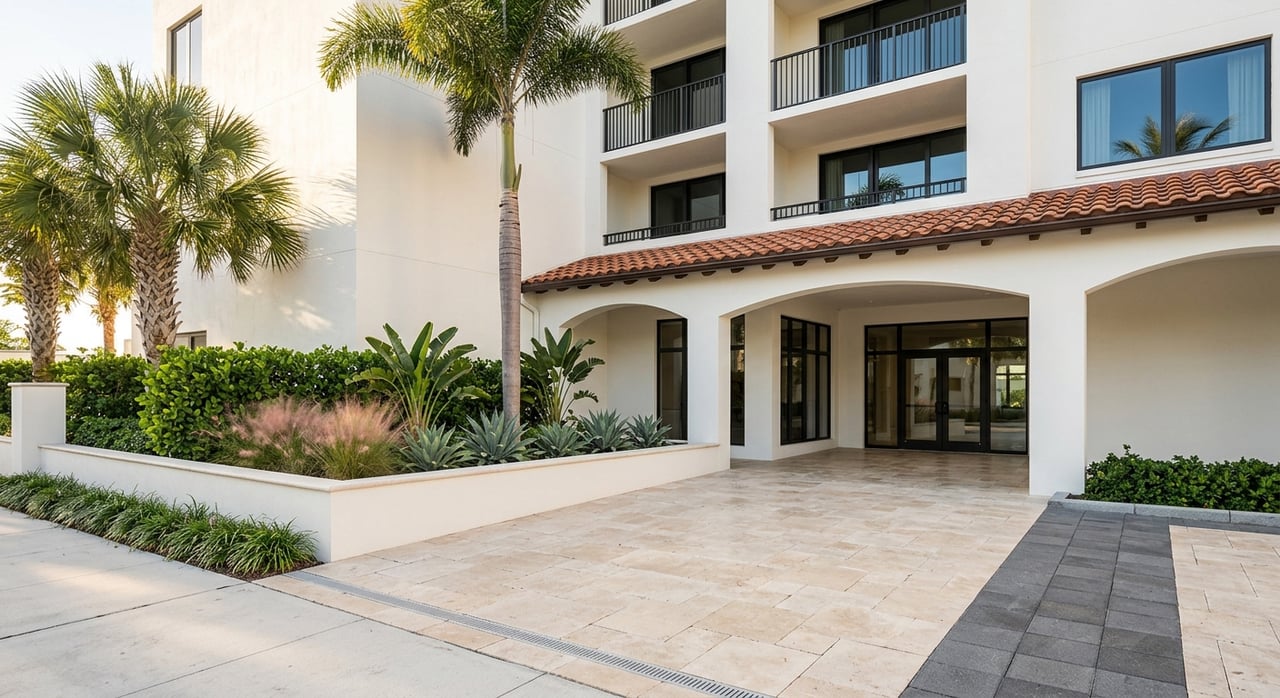
New construction in Downtown Delray Beach tends to be smaller, mid‑rise infill. Land is tight, so most projects are 3 to 8 stories with ground‑floor retail and residences above. That creates a walkable, mixed‑use fabric centered on Atlantic Avenue and nearby blocks. You get proximity to restaurants and shops, but in buildings sized for privacy and convenience rather than high-rise scale. For ongoing downtown development context and local updates, check the Delray Beach DDA’s project news and releases at the Atlantic Avenue corridor’s official site for neighborhood updates.
Snapshot of notable projects
Ónix Delray
Ónix Delray is a new boutique condominium near Atlantic Avenue with 26 residences, primarily two and three bedrooms around 1,400 to 2,000 square feet. The sales release announced vertical construction on May 13, 2025 and initial prices that started around $1.549 million. Expect resort‑style amenities and ground‑floor retail that add to the location’s walkability. See the official construction and sales announcement for Ónix Delray.
111 First Delray
One block off Atlantic Avenue, 111 First Delray is a completed, five‑story boutique building with 66 residences. It is a strong template for what modern downtown condos look and feel like. Typical finishes include open kitchens with quartz counters and premium appliances, plus contemporary baths. The building’s amenities include a rooftop deck and pool, fitness center, package rooms, and secure parking. Resale examples show HOA dues ranging from the low‑to‑mid hundreds to roughly the low thousands per month depending on unit size.
Atlantic Crossing
Atlantic Crossing is a long‑planned, nine‑acre mixed‑use redevelopment at Atlantic Avenue and Federal Highway. Phases include new residential buildings, retail, and offices that roll out over time. Current reporting shows ongoing activity through 2024 and 2025. While condo phases are smaller than a typical high‑rise, the project will continue to shape downtown retail, dining, and parking patterns. You can review recent project news in a regional pre‑construction update on Atlantic Crossing’s phases.
Oceanfront comparisons
Just south along S Ocean Boulevard, Ocean Delray and 1625 Ocean deliver a different kind of boutique luxury. These oceanfront buildings have much higher price points and larger HOA budgets that cover private beach services and greater staffing. Ocean Delray’s developer reported completion with an estimated $126 million sellout, which reflects the premium for oceanfront address and services. For a market reference, see the developer completion coverage on Ocean Delray.
What new condos include
Finishes and floor plans
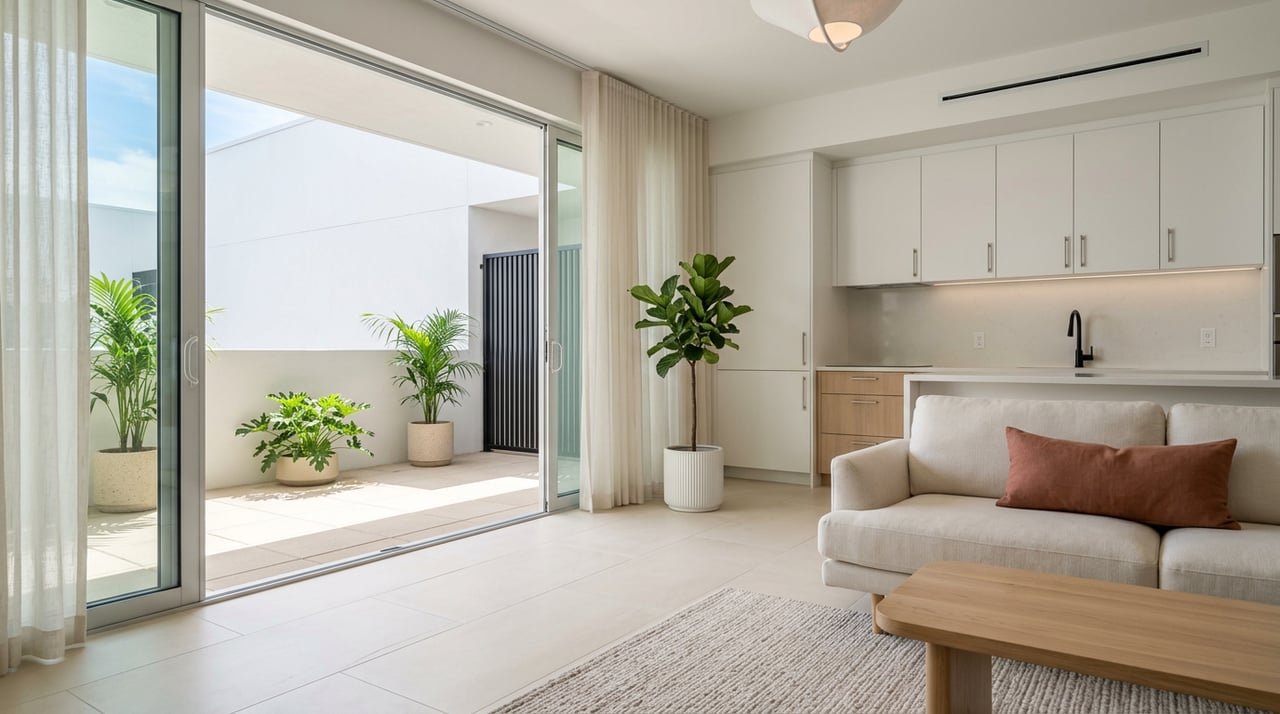
Modern downtown condos emphasize open layouts and clean lines. Expect large kitchen islands, quartz or engineered stone counters, flat‑front cabinetry, and premium appliance packages. Boutique projects like Ónix highlight EuroStone counters, Porcelanosa tile in baths, and tall ceilings around 9 to 10 feet. Impact‑rated glass is standard in newer buildings near the coast, along with in‑unit laundry, central HVAC, smart‑home pre‑wiring, and walk‑in closets in larger plans. For a feel of boutique finish standards, review the project details in the Ónix Delray announcement.
Amenities to expect
Downtown boutique buildings usually deliver a curated set of amenities that fit urban living without overwhelming HOA budgets. Common features include a rooftop or resort‑style pool and deck, a fitness studio, a club or lounge space, secure package rooms, bike storage, and covered parking. EV‑capable parking is appearing more often. By contrast, oceanfront or ultra‑luxury buildings may add private beach access, full‑service concierge, staffed security, and private elevator landings. These raise operating costs and association dues. The market coverage of recent oceanfront sellouts helps illustrate how staffing and services affect fees in oceanfront luxury.
Price and HOA expectations
Sizes and downtown pricing
Unit sizes in new downtown boutique buildings typically range from about 700 to more than 2,000 square feet, with prices often in the mid six figures to the low seven figures depending on plan, level, and finishes. Larger floor plans with terraces and upgraded packages push higher. Sales and resales in buildings like 111 First Delray show how this band plays out in practice.
Why HOA dues vary
Association dues depend on scope of amenities, staffing, parking operations, reserve funding, and the building’s insurance coverage. Downtown mid‑rise buildings with limited staffing and right‑sized amenities often land in the hundreds to low thousands per month. Oceanfront boutique buildings with private beach services and 24/7 staffing often exceed several thousand per month. Insurance structure also matters. The master policy covers the building and common elements while your HO‑6 covers interiors and personal property. Deductibles for wind or hurricane events can be large, and associations may allocate a portion of those deductibles to owners after a storm. It is smart to review the master policy’s declarations and deductible language, then price your HO‑6 accordingly. For a quick explainer on master versus HO‑6 coverage, see this overview of condo insurance basics.
Financing, cash buyers, and presales
Palm Beach County tends to have a higher share of cash purchases than the national average, especially for luxury or boutique new construction. In early 2025, county reporting showed around 56 percent of closed sales were cash. That can affect velocity and negotiation dynamics for new condos. Review the latest county snapshot from the regional association on cash‑buyer share.
If you plan to finance, confirm early that the building is eligible under your lender’s condo project review. Fannie Mae and Freddie Mac have rules for items like owner‑occupancy ratios, reserve funding, litigation, commercial space, and single‑entity ownership. Smaller, newer boutique projects may be handled differently by each lender. Ask your lender to run a project review or confirm limited‑review eligibility upfront. You can preview the framework in Fannie Mae’s condo and co‑op project requirements.
Safety, reserves, and inspections in Florida
Milestone inspections and SIRS
Florida law requires milestone inspections for condominium buildings that are three stories or higher, with timing based on building age and proximity to the coast. Associations must also maintain a Structural Integrity Reserve Study, often called a SIRS, that sets aside funds for critical components. If you are buying in a newer building, you should expect to see a SIRS at or before developer turnover. For the statute language, review SB 4‑D’s text covering milestone inspections and SIRS. Palm Beach County also shares local guidance and deadlines, which you can reference at the county’s milestone inspection page.
Developer turnover for new buildings
Most new buildings must complete certain studies and deliver a turnover package to the association once control shifts from the developer. As a buyer, ask for the turnover documentation, any completed milestone inspection summaries, the SIRS, and warranty details. The same state statute clarifies expectations around these documents, so it is reasonable to request them. You can revisit the statute text for turnover and reserve requirements.
Insurance and special assessments
Your building’s master policy usually covers the structure and common areas, while your HO‑6 policy covers interior finishes and personal contents. Policies differ on whether they are “all‑in” or “studs‑out,” so verify what the master policy includes. Also check the hurricane or windstorm deductibles, which are often a percentage of insured value. After a storm, associations may levy a special assessment to fund deductibles or uninsured items. Ask the association how deductibles are allocated and whether loss assessment coverage is recommended on your HO‑6. For a concise guide to these distinctions, review condo insurance coverage basics.
If the property sits in a Special Flood Hazard Area, most lenders will require flood insurance. Waterfront and intracoastal properties often occupy higher‑risk zones, which can change both pricing and lender requirements. Confirm the building’s flood policy and the FEMA flood zone for your specific unit address.
New vs older condos in Delray
New construction pros
- Modern layouts, fresh mechanicals and roofs, impact glass, and current code compliance.
- Amenity sets designed for today’s living, like rooftop decks and EV‑ready parking.
- Early HOA years may benefit from more favorable insurance underwriting and documented reserve planning, especially where SIRS and state turnover rules apply.
- Developer warranties and punch‑list processes create structured post‑closing support. Boutique examples like Ónix show the current finish and amenity benchmarks highlighted in the project release.
New construction tradeoffs
- Higher entry prices compared with older stock.
- Dues vary by amenity level and staffing, so budget carefully.
- In pre‑construction phases, deposits and completion timelines require careful review. Confirm escrow structure and developer track record and build realistic timing into your plans.
Older stock pros
- Often lower list prices and sometimes lower monthly dues if amenities are more limited.
- Long operating histories can make budgeting and insurance patterns easier to evaluate.
Older stock tradeoffs
- Deferred maintenance risks can be higher, and special assessments are possible.
- State law now requires milestone inspections and SIRS for many 3+ story buildings, which can trigger repair programs and new reserve funding. Read more about these requirements in SB 4‑D’s statute text.
Buyer checklist for Downtown Delray new condos
Use this list to compare options and protect your interests:
- Walk the blocks and time your walk to Atlantic Avenue, the beach, and your favorite spots.
- Request the certificate of occupancy for completed buildings and confirm permits and inspections are closed out.
- Ask for the developer turnover package if applicable, including the latest SIRS and any milestone inspection summaries.
- Review the association’s current budget, year‑to‑date financials, reserve study, and recent bank statements or CPA reviews when available.
- Read the last 12 months of board meeting minutes and request a litigation list of any pending or threatened claims.
- Review the master insurance declarations, carrier, limits, wind or hurricane deductibles, and flood policy if applicable. Ask how deductibles and loss assessments are allocated to owners.
- Confirm rental and pet policies if those factors matter to your use or investment plan.
- If you need financing, have your lender run a condo project review early and confirm whether the project is eligible for limited or full review.
- Get an HO‑6 quote with loss assessment coverage and consider deductible reimbursement endorsements.
- For pre‑construction, understand the deposit schedule, timelines, and escrow provisions, then set calendar reminders for construction milestones.
Next steps
Downtown Delray Beach offers a rare mix of lifestyle and convenience, with boutique buildings that deliver modern design in a walkable setting. If you want help mapping the right buildings to your goals, reviewing HOA and insurance details, or coordinating a lender project review, reach out. You will get clear guidance, responsive service, and local insight from start to close. Connect with Shelby Seidler to start your Downtown Delray condo plan today.
FAQs
What new construction condo options exist in Downtown Delray Beach?
- Boutique examples include Ónix Delray near Atlantic Avenue, recent deliveries like 111 First Delray, and area‑shaping mixed‑use phases at Atlantic Crossing; see official notices for Ónix Delray and updates on Atlantic Crossing, plus local downtown project news.
How much are HOA dues for downtown new condos versus oceanfront Delray?
- Downtown boutique HOAs often range from the hundreds to low thousands per month depending on amenities, while oceanfront boutique buildings with staffed services commonly exceed several thousand; recent oceanfront market coverage illustrates higher fees tied to services in luxury buildings.
What safety and reserve documents should I see when buying a Florida condo?
- Ask for the Structural Integrity Reserve Study and any milestone inspection summaries as required by SB 4‑D, and check local timing guidance from Palm Beach County; review the statute text and the county’s milestone page.
Can I finance a condo in a small new building in Delray Beach?
- Yes, but lender approval depends on the building’s project review; confirm warrantability under Fannie Mae rules and note that Palm Beach County sees a high cash‑buyer share that can influence timelines and competition; see Fannie Mae’s project requirements and the local cash‑buyer snapshot.
What insurance items should I request when buying a condo near the coast?
- Get the master policy declarations, wind or hurricane deductibles, flood policy details if applicable, and a customized HO‑6 quote with loss assessment coverage; see a primer on condo insurance basics for what is typically covered.