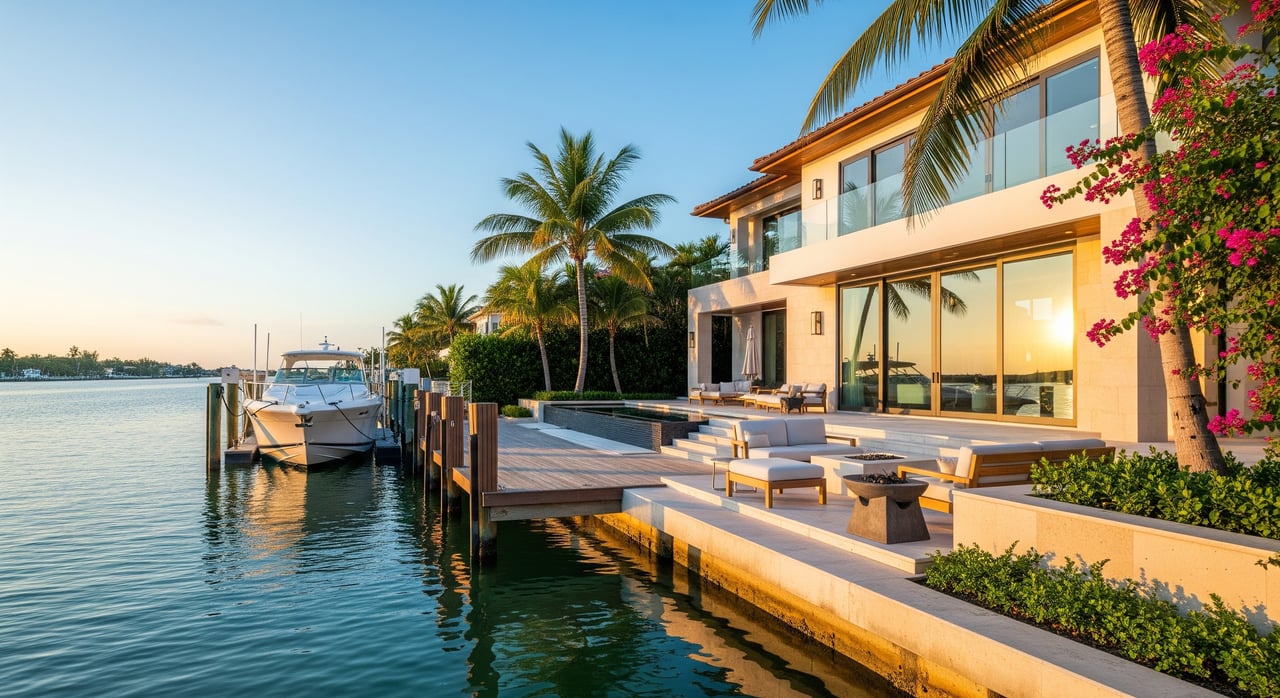
Picture sunrise reflecting off calm water, a seabreeze on your porch, and a quick ride to dinner on Atlantic Avenue after a beach day. If you are curious whether life on the Intracoastal in East Delray fits you, you are not alone. Many buyers weigh the romance of waterfront living against practical questions like insurance, docks, and seasonal rhythms. Here is a clear look at daily life, housing options, boating logistics, risk factors, and what to check before you buy. Let’s dive in.
Where East Delray’s Intracoastal sits
Quick geography
East Delray refers to neighborhoods east of US‑1, with the Intracoastal Waterway separating the mainland from the barrier island along A1A. In ZIP code 33483, many streets run toward the water, with some homes and condos fronting the Intracoastal and others just steps from it. The Intracoastal is a protected tidal waterway, so you get water views and boating access without open-ocean exposure at your doorstep.
Atlantic Avenue and the beach
Downtown Atlantic Avenue is the area’s central dining and shopping corridor. Many Intracoastal properties are a short drive, bike ride, or, in some cases, a walk to Atlantic Avenue and the main public beach. You can keep the quieter feel of a waterfront street while staying close to lively spots, cafés, galleries, and beach access points.
Seasonal rhythm
South Florida runs on a seasonal calendar. From December through April, the population swells and activity peaks. Summer is quieter, though you can use the beaches and waterways year-round. Expect more traffic and fuller restaurant reservations during high season, with a relaxed pace the rest of the year.
Daily life and walkability
Walkable pockets
You will find the best walkability near Atlantic Avenue and Pineapple Grove. Streets directly on the Intracoastal tend to be quieter and more residential. Some blocks are easily walkable to dining and shops, while many waterfront enclaves are more car or bike dependent. Sidewalks, crosswalks, and bike lanes exist on main corridors to support short trips.
Beaches and public access
Delray’s main public beach near Atlantic Avenue offers lifeguards, access points, and parking. It can be busy during peak season, which is why many Intracoastal homeowners enjoy quieter mornings on the water and then pop over to the ocean for a quick swim. You get the flexibility to choose your pace.
Dining, shopping, nightlife
Atlantic Avenue delivers variety, from casual lunches and coffee to upscale dinners and art walks. Living on the Intracoastal keeps you close to the action without having to be in the middle of nightlife. Streets closer to the Avenue feel more energetic at night, while waterfront areas away from the hub tend to be calm.
Noise, privacy, tourism
Expect more foot and vehicle traffic near Atlantic Avenue and beach entries, especially during festivals. On the water, boat traffic picks up at dawn and dusk. Most days are tranquil, but event weekends and holiday periods draw visitors. If your priority is privacy, a location a few blocks off the main corridors can strike a good balance.
Getting around and transit
Daily errands are simple by bike or car. Local bus service operates in Delray Beach, and regional rail and intercity services have county stations that connect to the broader South Florida corridor. Rideshare is widely used for nights out or airport runs.
Boating lifestyle and ocean access
Typical private dock setup
Many Intracoastal homes feature private docks with lifts, shore power, and water hook-ups. The size of the dock, the depth at mean low water, and the permitted footprint determine the size of boat you can keep. You may also see finger piers and davits for smaller craft like jet skis.
Bridges, depths, and inlets
Your boating experience depends on channel depth, bridge types, and clearances. Some bridges open on schedules, and fixed bridges set vertical limits for mast height. If ocean runs are part of your plan, consider proximity to inlets and the practical size of vessel that can pass from your dock to the Atlantic.
Marinas and marine services
Public marinas and boat ramps in Delray and neighboring cities serve the Intracoastal and provide access to the ocean. Fuel, repairs, and haul-outs are available nearby, but larger vessels may rely on regional facilities. If you keep a boat at home, it is still helpful to know where to source service and parts.
Permits and regulations
Dock, lift, or seawall work usually requires permits from the City of Delray Beach and Palm Beach County, and sometimes from state or federal agencies. There are design and environmental rules that protect resources like seagrass and, where present, mangroves. Before planning any modifications, verify permits and setbacks for the specific property.
Home types and features you will see
Single-family waterfront homes
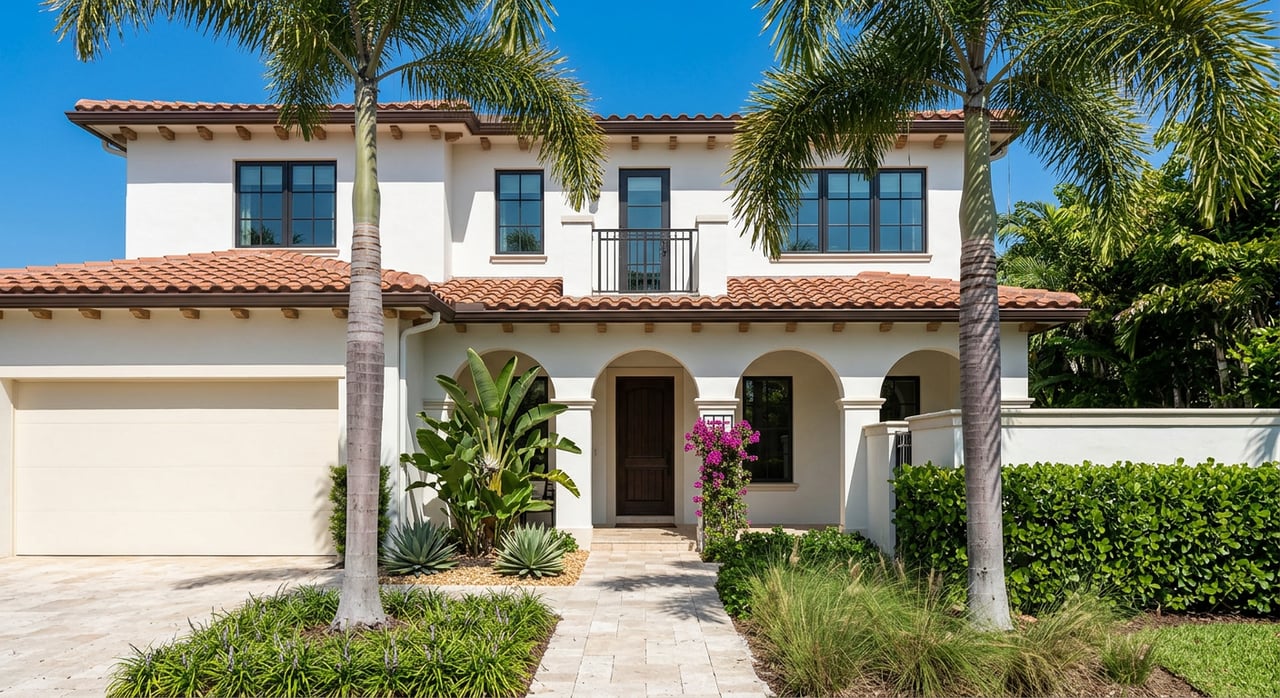
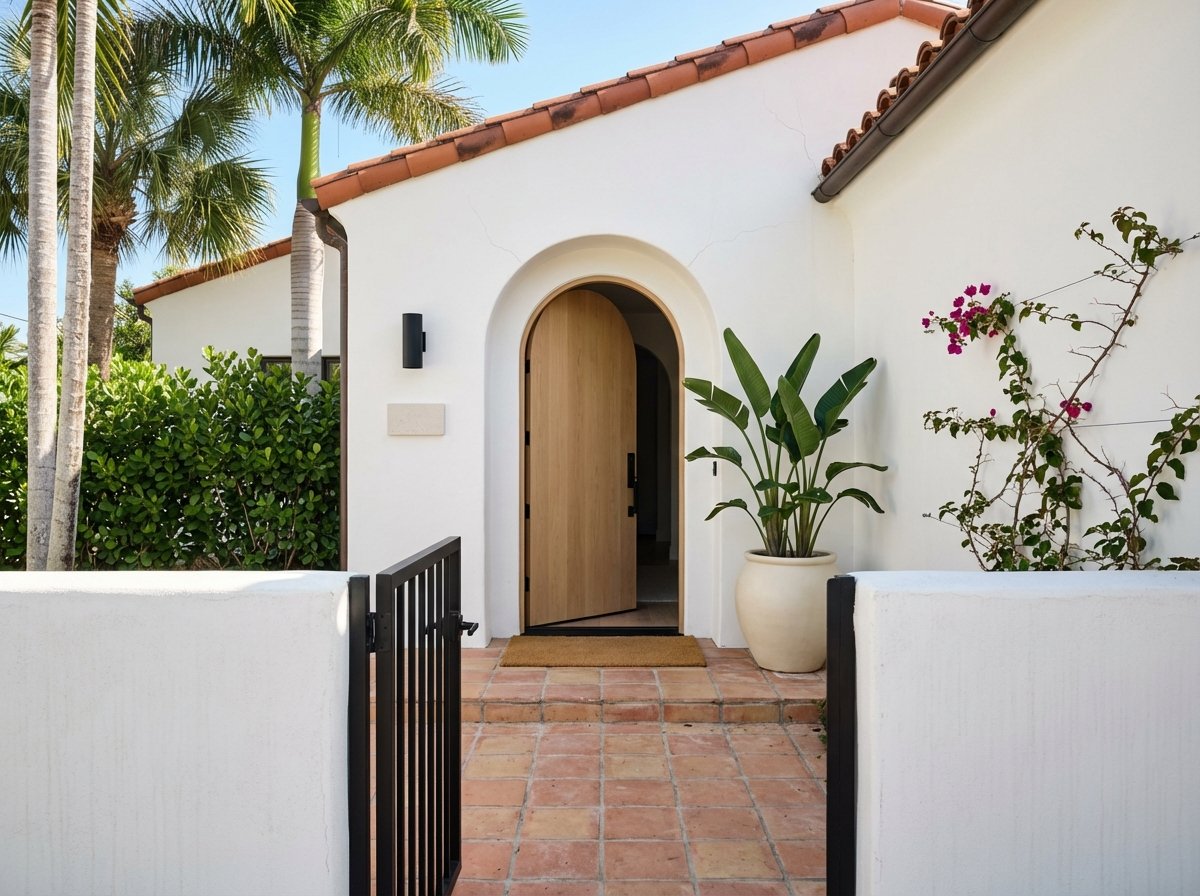
Direct-water homes range from updated mid-century cottages to new or renovated luxury builds. You can expect seawalls, docks or finger piers, and outdoor spaces oriented to the water. Many owners modernize for wind and water resilience while preserving the feeling of a coastal retreat.
Condos and mid-rises
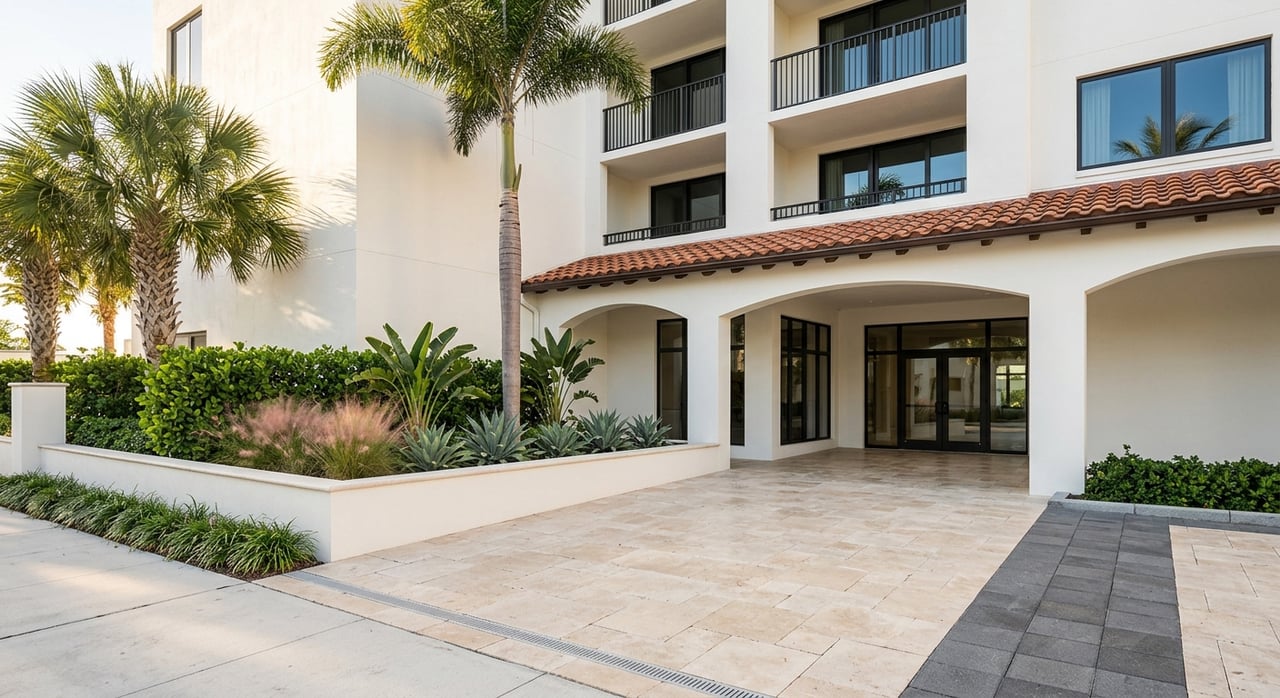
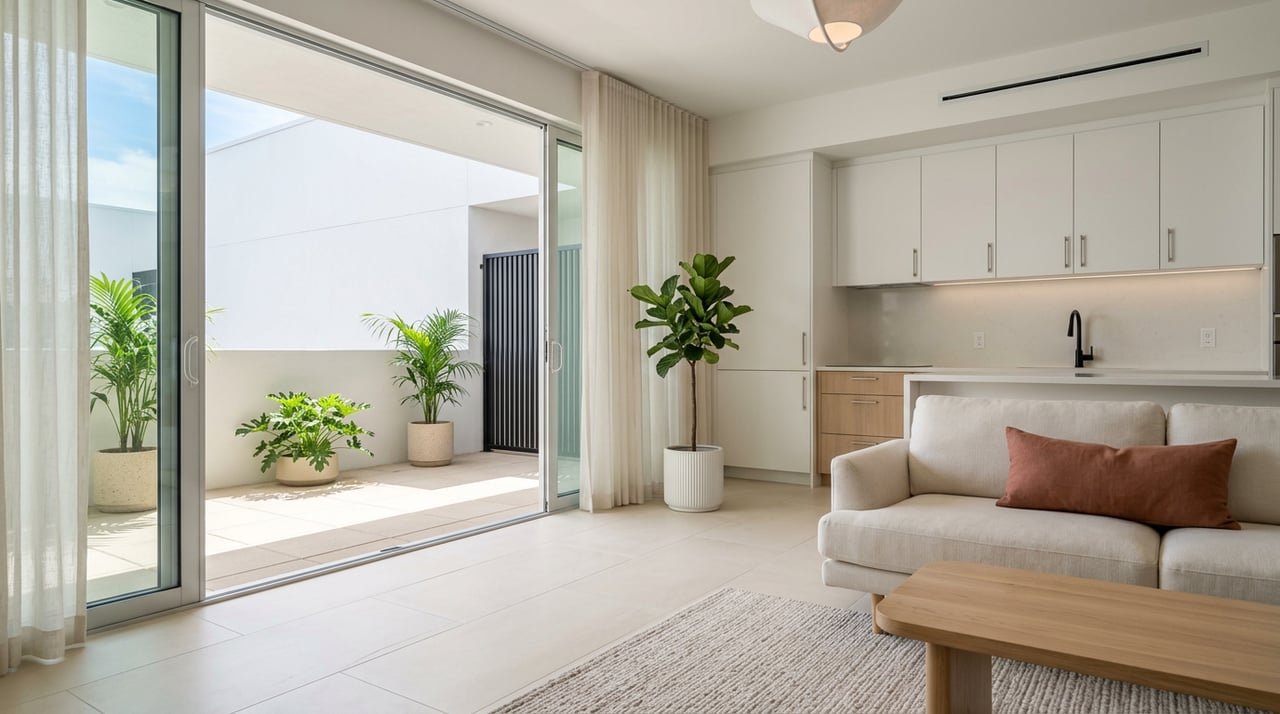
Waterfront condos offer lower-maintenance living with amenities like pools, secure parking, elevators, and sometimes shared marina slips. HOAs are common and often handle exterior work, which can be a relief if you want turn-key ownership near the water.
Townhomes and infill
Townhomes appear near the water and in adjacent streets. These options appeal if you want a lower-maintenance lifestyle within a short bike ride of the beach and Atlantic Avenue.
Coastal construction and features
Expect impact-rated windows and doors, storm shutters, elevated HVAC, and corrosion-resistant materials. These features are not just nice-to-haves on the Intracoastal. They are essential for comfort, safety, insurance, and long-term upkeep.
Ownership and operating costs
You will factor in homeowners and wind coverage, plus flood insurance in many Intracoastal locations. Flood zones often include AE or VE designations, which influence underwriting and premiums. Ongoing costs include seawall and dock maintenance, salt-related exterior upkeep, and HOA fees if you own a condo.
Flood, storms, and resilience
Flood zones and insurance
South Florida experiences storm surge during hurricanes and periodic high-tide flooding. Intracoastal properties are affected by tidal swings and storm events. Insurers and lenders look closely at flood-zone data, elevation, and mitigation features. Many buyers also consider how insurance markets evolve over time.
Seawalls, elevation, and drainage
A strong seawall and adequate elevation reduce risk. Drainage and site grading also matter. Repairs and replacements can be costly, and they typically require permits. If you are evaluating a property, have the seawall inspected and confirm the status of any previous work.
Practical prep and resilience
Common steps include installing impact glass, using resilient finishes, elevating utilities, adding flood vents, and preparing a hurricane plan. City and county resilience programs continue to invest in stormwater and coastal upgrades, which is helpful context as you plan long-term ownership.
Lifestyle tradeoffs to weigh
- Pros: Direct water access, sunrise and sunset views, quick trips to Atlantic Avenue and the beach, active outdoor community, and strong lifestyle appeal for boaters and beach lovers.
- Cons: Higher maintenance and insurance considerations, permitting for waterfront structures, seasonal crowds near the Avenue and beach entries, and potential boat or event noise at certain times.
What to check before you buy
Use this quick checklist to focus your due diligence.
- Verify the FEMA flood zone and review any elevation certificate.
- Request a dock and seawall inspection with permits and recent repair history.
- Confirm dock depth at mean low water, lift capacity, and any bridge clearances that affect your boat.
- Ask for recent insurance premium history and any claims.
- Review HOA or condo documents, including rules on docks, rentals, and exterior work.
- Check local rules for short-term rentals and parking requirements if you plan to rent.
- Assess proximity to Atlantic Avenue, the beach, grocery, emergency services, marinas, and fuel docks.
- Consult a marine contractor and coastal surveyor for technical guidance before closing.
Who this lifestyle fits
You will thrive on the Intracoastal if you value time on the water, love walkable dining and arts along Atlantic Avenue, and prefer a coastal pace with urban conveniences nearby. It works equally well if you want a quiet morning on the dock, a paddleboard session, or a quick bike ride to the beach. If you prefer minimal upkeep, a waterfront condo can deliver the views with fewer moving parts.
Your next step
If East Delray’s Intracoastal lifestyle is calling you, start with clarity. Decide how you will use the water, the size of boat you need, your insurance comfort level, and how close you want to be to the Avenue and beach. Then tour a mix of homes and condos so you can feel the differences block by block. When you are ready to refine your search or sell and trade up, connect with a local expert who knows the docks, bridges, and bylaws as well as the dining scene.
Have questions or want a tailored list of properties? Reach out to Shelby Seidler for local guidance and a smooth plan from search to closing.
FAQs
What is the Intracoastal lifestyle in Delray Beach’s 33483?
- Expect calm water views, quick access to Atlantic Avenue and the beach, and a mix of active boating days with quieter residential evenings depending on your exact block.
How walkable is East Delray near Atlantic Avenue?
- The closer you are to Atlantic Avenue and Pineapple Grove, the more walkable it is; many waterfront streets are peaceful and more bike or car dependent.
What should boaters check before buying on the Intracoastal?
- Confirm dock permits, depth at mean low water, lift capacity, bridge clearances, and proximity to inlets, and review seawall condition and repair history.
How do flood zones affect homes on the Intracoastal?
- Many parcels fall in AE or VE zones, which influence flood insurance requirements and premiums; elevation, drainage, and mitigation features are key.
Are short-term rentals allowed for East Delray waterfront homes?
- Delray Beach regulates short-term rentals, and many HOAs have added rules, so verify city ordinances and community documents before you plan.
Do I need a marina if my home has a dock?
- Not for daily use in most cases, but you will still rely on marinas and regional facilities for fuel, service, or haul-outs, especially with larger vessels.
What is life like during high season in Delray Beach?
- From December to April, expect more visitors, busier restaurants, and fuller beach parking, while summer tends to be quieter and easier to navigate.