You want to stroll Atlantic Avenue, grab dinner, and walk home to a condo or townhome near the beach. You also want to buy smart. In Downtown Delray Beach, timing shapes what you’ll see, how many buyers you’ll compete with, and the terms you can negotiate. In this guide, you’ll learn when buyers are most active, when inventory tends to open up, and how to plan tours and offers with confidence. Let’s dive in.
Why timing matters in Downtown Delray
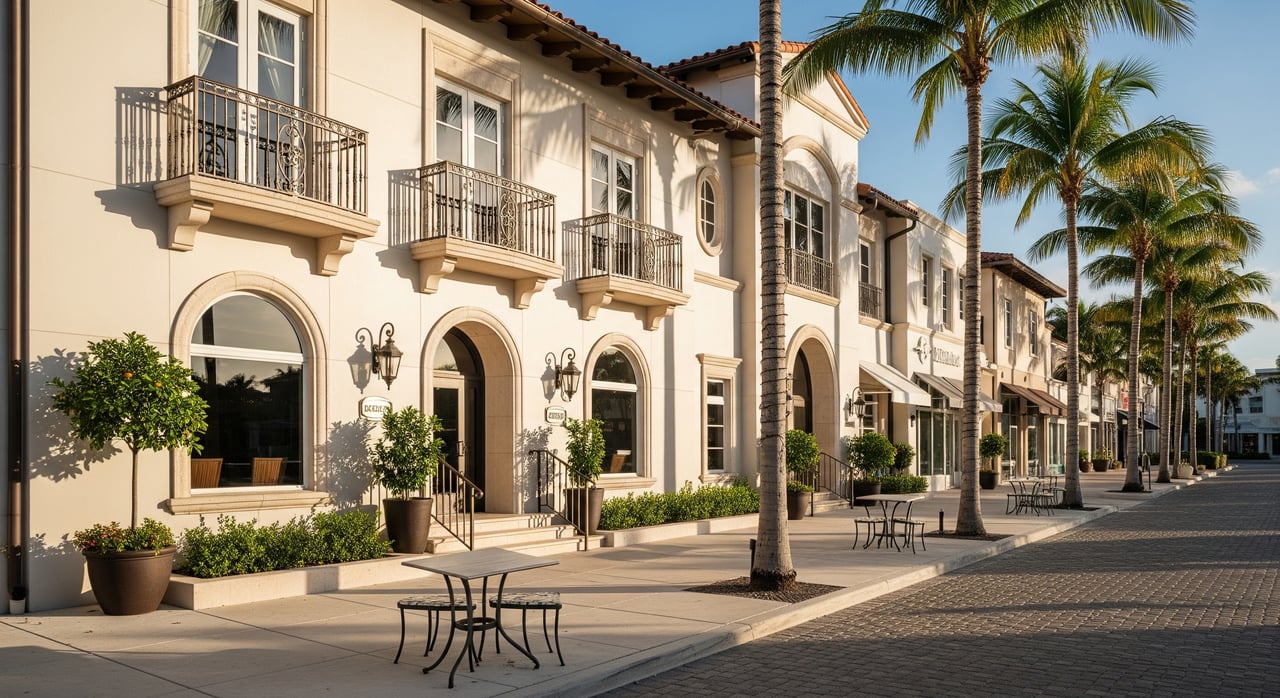
Downtown Delray is a walkable hub centered on Atlantic Avenue and Pineapple Grove with restaurants, boutiques, arts, and beach access. That lifestyle attracts local move-up buyers, seasonal “snowbirds,” investors, and second-home buyers. The mix shifts through the year, which affects showings, pricing pressure, and negotiation room.
The broader Palm Beach County market follows a clear visitor cycle. The region’s peak visitor season typically runs through the winter months, which boosts in-person showings and open-house traffic. You’ll feel that momentum downtown. To plan well, align your search with these rhythms and account for practical factors like insurance and HOA timelines.
For context on regional seasonality, explore the overview of the area’s travel cycles from The Palm Beaches tourism site. For weather-related planning, the National Hurricane Center confirms the Atlantic hurricane season runs June 1 to November 30.
Winter high season (November to March)
Out-of-state buyers and seasonal residents are most active in winter. Many part-time owners are in town, so more listings can be available for showings. Open houses tend to be busier, especially on weekends and around major events.
What it means for you: competition rises on well-priced listings, especially condos in the downtown core. Expect faster timelines, stronger offers, and less room for concessions. If you want the broadest in-person selection, winter is ideal. If you want leverage, read on.
Spring to early summer (April to June)
Activity usually eases from winter peaks while staying healthy into spring. Some buyers who visited in winter return with decisions, and inventory can grow as seasonal owners head north and consider listing.
For buyers, this period often brings a better balance between selection and competition. You may find more flexibility on closing windows and modest negotiation room on price or terms.
Summer to early fall (July to October)
Foot traffic slows as seasonal visitors depart. Local buyers and investors make up a larger share of showings. Inventory can build in certain buildings or property types, and days on market often lengthen.
This is typically the softest window for negotiation. You have more space for due diligence, inspection contingencies, and seller concessions. Just remember you’re shopping inside hurricane season, so plan insurance and closing logistics with extra care.
Event-driven spikes you should expect
Downtown events, festivals, and sports can create short bursts of showing activity and open-house crowds. You may see this around popular happenings like the Delray Beach Open, the Delray Affair, or holiday programming. To keep tabs on timing, check the Downtown Delray Beach events calendar.
If you prefer a calmer showing experience, avoid peak event weekends. If you want energy and options, target those micro-seasons.
What changes by property type
Condos in the core
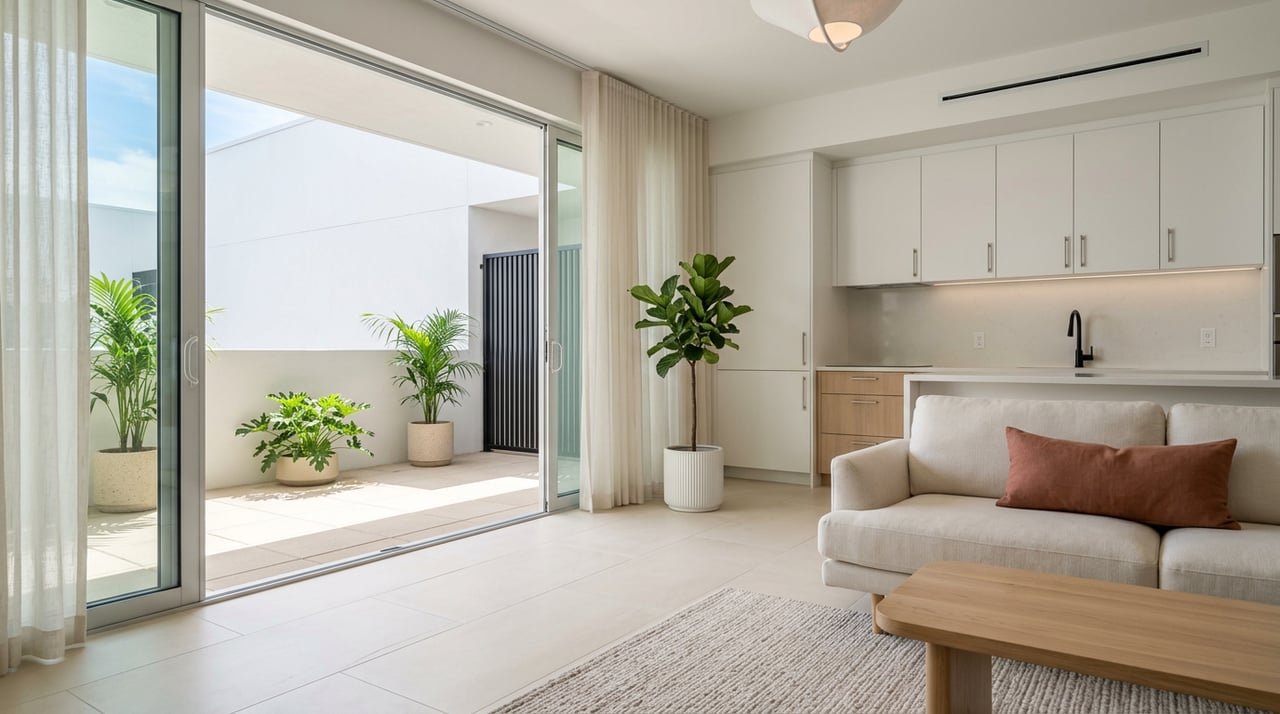
Condos dominate the immediate downtown corridor. Many are owned by seasonal residents or investors, which is why winter showings surge. HOA rules can shape timing too, including showing hours, tenant occupancy, and short-term rental policies.
Financing is often more sensitive for condos. Lenders review association financials and insurance, which can extend timelines. In the off-season, investor-owned units or buildings with higher vacancy may offer stronger leverage on price or terms.
Townhomes and small multifamily
Townhomes appeal to move-up buyers who want multi-level living with walkability. Seasonality looks like a hybrid: some winter bump from out-of-state buyers and steady local demand through much of the year.
Single-family homes nearby
Single-family demand is steadier and often driven by local move-up buyers. The winter spike is less pronounced than condos. Listing and closing timelines may be influenced by school calendars, with some families aiming for late spring or summer moves.
Sellers of single-family homes may be less inclined to offer large concessions than absentee seasonal condo owners, though off-season opportunities still exist.
Short-term rentals and investor stock
Proximity to the beach and nightlife makes short-term rentals attractive. Inventory here can be cyclical based on HOA rules and local policies. Investors track seasonality and community guidelines closely, so verify rental policies before you fall in love with a unit.
Plan your visit
If you’re visiting from out of state, decide your priority before you book:
- If you want the most in-person options and owner availability, plan for winter. Be ready to act fast.
- If you want negotiation leverage and quieter tours, aim for late spring through early fall.
Local buyers can use off-peak flexibility to their advantage. Coordinate tours with your school, work, and moving timelines to capture better terms.
Craft your offer
In winter high season, assume a competitive field and prepare a clean, strong package:
- Secure a local lender pre-approval before touring.
- Tighten administrative timelines and know your walk-away points.
- Limit nonessential contingencies and be decisive.
In the off-season, lean into buyer-friendly terms:
- Keep full inspections and negotiate repairs or credits.
- Ask for seller concessions where appropriate.
- Propose a longer closing or rent-back if that solves a seller’s logistics.
Financing, insurance, and appraisal
Condo financing: lenders may review project reserves, budgets, and insurance to confirm eligibility. This can add time. Start the condo review early and keep documents organized.
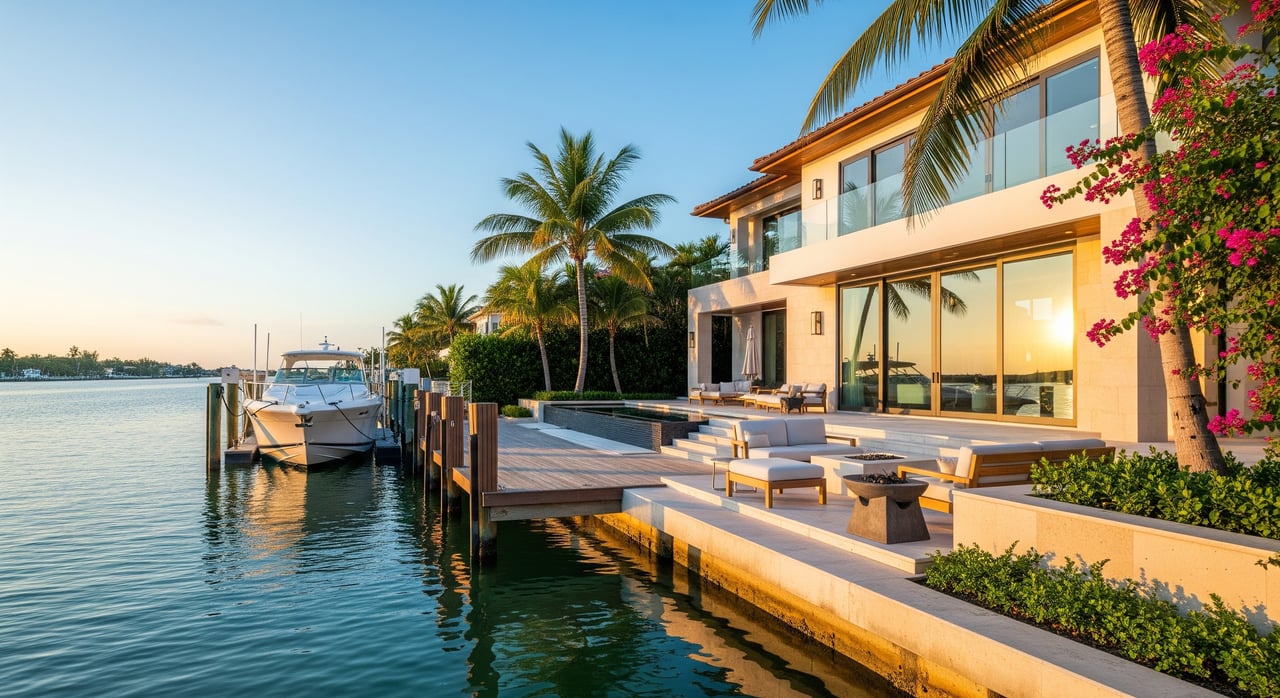
Insurance: Florida’s property insurance market has seen tighter underwriting and cost changes. Get insurance quotes early in the offer process, especially for waterfront or high-value properties. During hurricane season, carriers can pause new policies when storms approach, so plan with buffers. The National Hurricane Center offers guidance on timelines and storm tracking.
Appraisals: Seasonal markets can affect comparable sales. In quieter months, you may face appraisal sensitivity. Build in a plan to address gaps if they appear.
For broader county trends that influence pricing and activity, explore monthly reports from Florida Realtors research.
Condo and HOA logistics
Confirm HOA showing rules before you set your calendar. Some associations require advance notice, limit hours, or restrict tenant-occupied showings. Ask for the resale package, budget, reserves, rules and regulations, and master insurance details as soon as you are under contract.
HOA and condo document timelines can stretch closings. Factor those into your offer, especially in winter when association offices may be busier.
Hurricanes and school calendar
If you’re buying between June and November, add time for weather-related delays. Coordinate inspection dates, insurance binding, and closing with flexibility in case a named storm forms.
If school schedules matter to you, target a late spring or early summer closing. That is also when some single-family sellers prefer to move, which can increase choice in nearby neighborhoods outside the strict downtown corridor.
Quick buyer checklists
Winter visit checklist
- Local lender pre-approval in hand
- Condensed tour schedule and prioritized wishlist
- Inspector availability confirmed
- Back-up plan if a top pick goes under contract
Off-season checklist
- Comprehensive inspections and vendor quotes
- Early insurance quotes and carrier guidance
- HOA document review and timeline buffers
- Offer terms that trade speed for value
Local resources to bookmark
- Browse peak season context at The Palm Beaches.
- Track events and micro-seasons with the Downtown Delray Beach Partnership.
- Review market trends through Florida Realtors research.
- Confirm municipal updates at the City of Delray Beach.
- Look up parcel and tax data via the Palm Beach County Property Appraiser.
- Monitor storm guidance from the National Hurricane Center.
Buying in Downtown Delray is about more than price per square foot. When you shop can shape your options, your stress level, and your negotiating power. If you want an action plan that fits your timeline, budget, and lifestyle goals, connect with Shelby Seidler to map your best window and move forward with confidence.
FAQs
What is the best month to buy in Downtown Delray Beach?
- If you want leverage and time for due diligence, July to October often brings lighter competition; if you want maximum in-person options, November to March offers more showings but tighter negotiations.
How does hurricane season affect closings in Palm Beach County?
- From June to November, insurers can pause binding when storms approach, and inspections or closings may need rescheduling, so build extra time into your contract.
Are Downtown Delray condos harder to finance than houses?
- Condo loans can take longer because lenders review association budgets, reserves, and insurance; start the condo-eligibility process early to avoid delays.
When should out-of-state buyers plan tours to see the most options?
- Winter months typically provide the broadest in-person selection and owner availability, though you should be ready for faster timelines and stronger competition.
Do school calendars change listing activity near Downtown Delray?
- Single-family homes in nearby neighborhoods often align with late spring and summer moves to minimize school disruption, which can influence when those sellers list.